South or north Gran Canaria: which area to choose for your getaway
The whole of Gran Canaria fits into a short trip, but the south and north of the island offer quite different experiences. Where to stay depends on what you're after: guaranteed sun and open beaches, or a city with a life of its own and inland villages. Knowing the differences helps you decide without surprises.
The south: sun, dunes and coastal villages
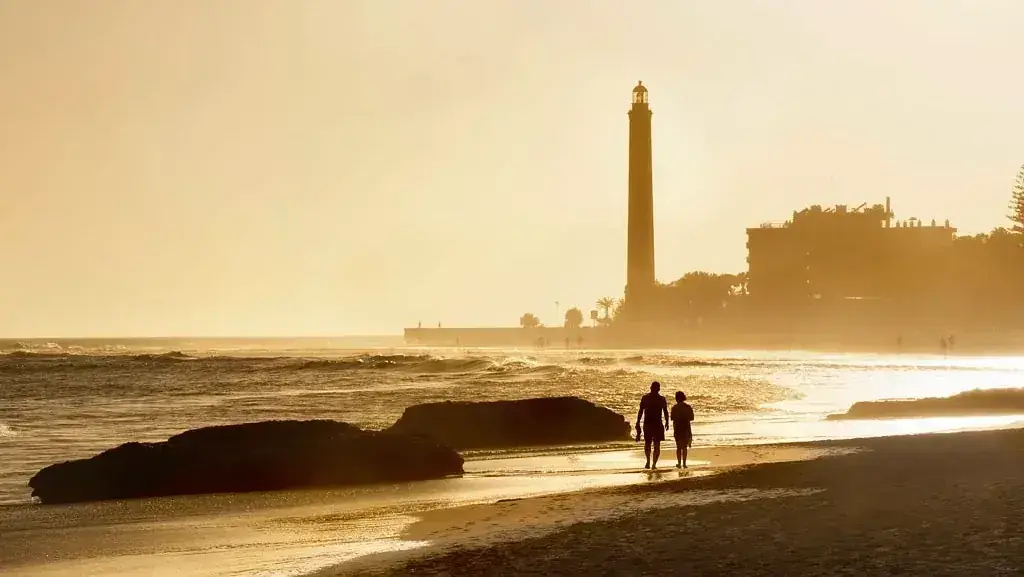
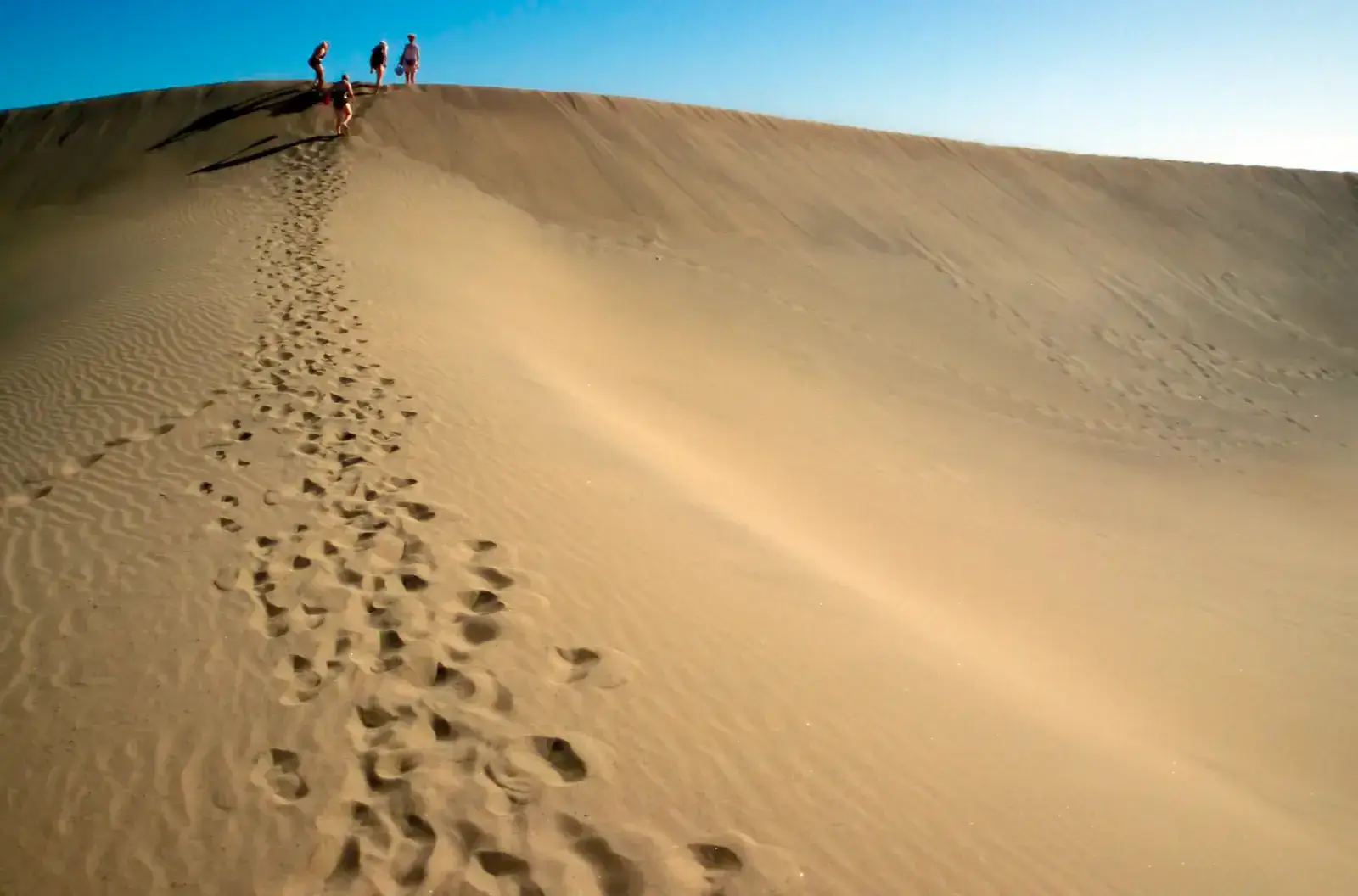
The south of Gran Canaria is the sunniest and driest part of the island, with an average temperature of around 22°C all year round. Its great icon is the Dunas de Maspalomas, a 400-hectare stretch of sand declared a Special Nature Reserve in 1987 that also protects the Charca, a wetland refuge for migratory birds. The trails that cross the dunes down to the shore start beside the Faro de Maspalomas, built in 1890.
Further west, the coastline takes on a different character in villages like Puerto de Mogán, where the canals, flower-lined bridges and whitewashed houses have earned it the nickname «Pequeña Venecia». Its sand, originally brought from the Sahara, and the waters sheltered by the harbour itself make it one of the most photogenic stops in the south-west, with a local market every Friday and boat trips along the coast.
The north: the capital, an urban beach and mountain villages
The north has a different pace, set by Las Palmas de Gran Canaria, the island's capital. Its great draw is Playa de Las Canteras, almost three kilometres of sand woven into the city's daily life and protected by La Barra, a natural reef about 200 metres from the shore that calms the waves. A stroll through the historic quarter of Vegueta, with its market and colonial architecture, rounds off the visit nicely.
Moving further inland, the north fills with villages with a character of their own, such as Teror or Firgas, and with more greenery than the south. It's an area with more cloudy days and a touch more humidity, but also a very authentic local life, markets selling local produce, and a cuisine that combines Canarian tradition with Atlantic influences.
South or north? It depends on the trip
For an uneventful sun-and-beach holiday, the south (and Puerto de Mogán in particular) is the safest choice: stable weather, a coastline built for relaxing, and a charming village close at hand. For anyone who prefers to combine culture, city life and mountain nature, the north has more to offer. The good news is that distances in Gran Canaria are short: staying on one side doesn't stop you from exploring the other on a day trip.
FAQs
Is it better to stay in the south or the north of Gran Canaria?+
It depends on the type of trip. The south offers more sun, open beaches and coastal villages like Puerto de Mogán. The north brings together the capital, Playa de Las Canteras and inland villages, with a more urban, greener feel.
Which beaches are there in the south of Gran Canaria?+
The south is home to the Dunas de Maspalomas and coastal beaches like the one in Puerto de Mogán, sheltered by the harbour itself, with sand originally brought from the Sahara.
What does the north of Gran Canaria offer?+
Las Palmas de Gran Canaria, with Playa de Las Canteras and the historic quarter of Vegueta, plus inland villages with more greenery and a very authentic local life.
Can you combine the south and the north in the same trip?+
Yes. Distances in Gran Canaria are short, so staying in the south, in a spot like Puerto de Mogán, doesn't stop you from visiting Las Palmas or the northern villages on a day trip.
You may also like
What to see in Gran Canaria in a week: a complete route around the island
 Guide
What to see in Gran Canaria in a week: a complete route around the island
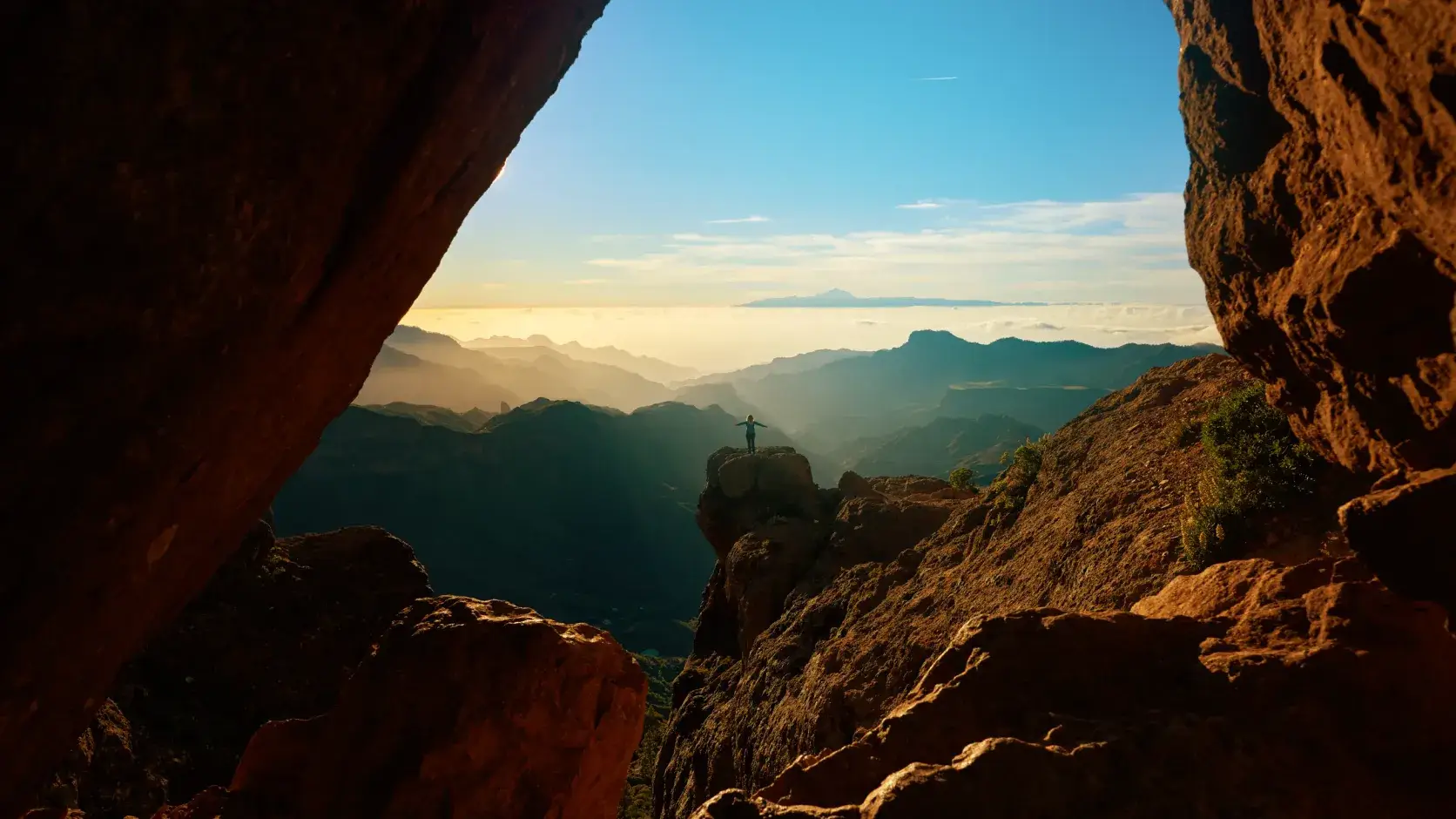
A seven-day itinerary around Gran Canaria: Las Palmas and Playa de Las Canteras, the Dunas de Maspalomas, Roque Nublo, Puerto de Mogán and the villages of the interior.
Best things to do in Gran Canaria: nature, villages and island flavours
 Guide
Best things to do in Gran Canaria: nature, villages and island flavours
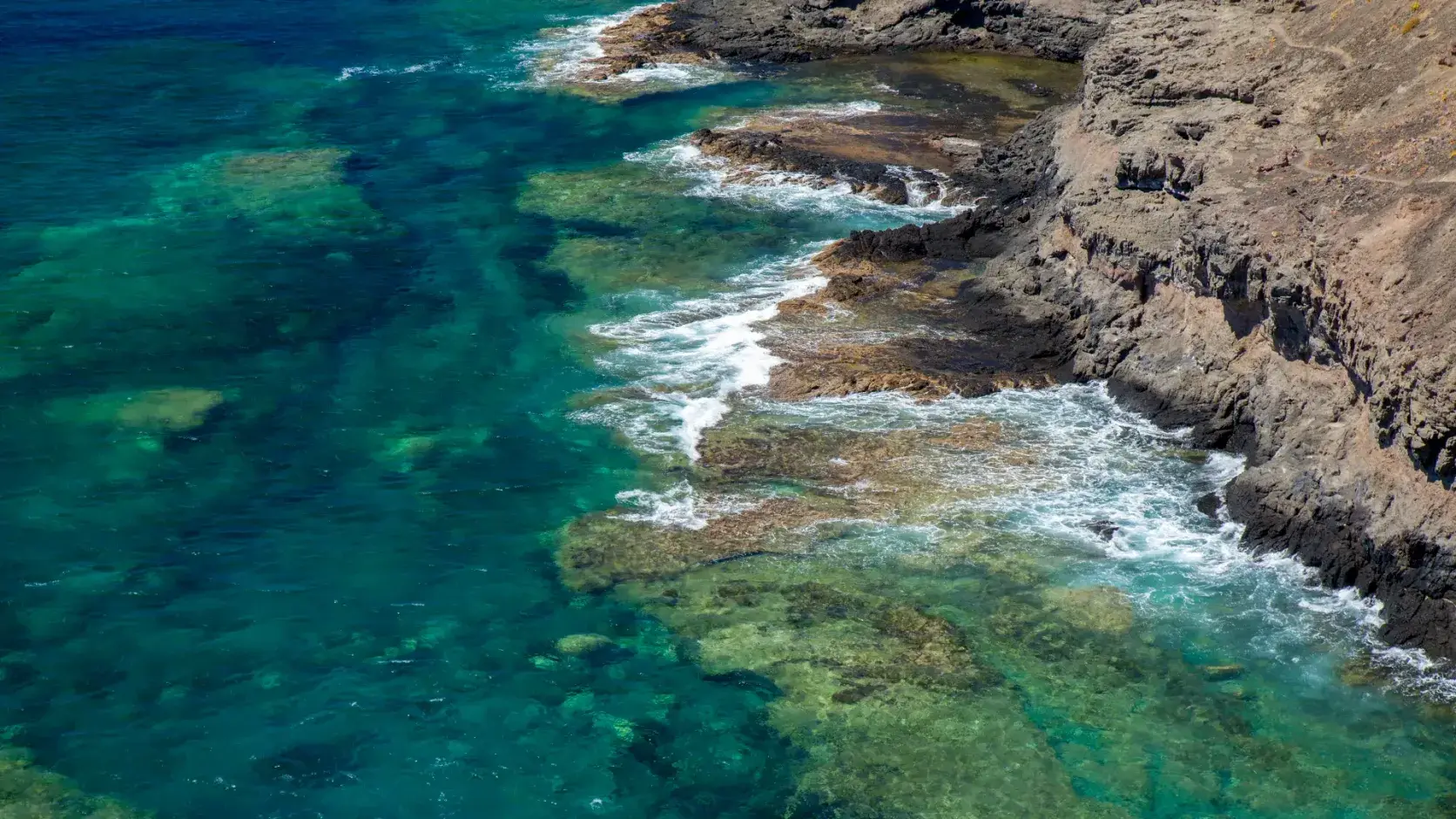
A selection of things to do in Gran Canaria: dunes, summit routes, charming villages like Puerto de Mogán and local cuisine to round off your stay.